Daily Wisdom 321: Proverbs 14:22

Proverbs 14:22 (NKJV) — 22 Do they not go astray who devise evil? But mercy and truth belong to those who devise good.

Devising evil or good. Just as some people devise evil, so believers should purposefully devise good. All human powers and abilities that wicked people turn to evil purposes, the righteous can use for good. Planning, goal setting, organizing, thinking — all can be used for evil or good. The person who uses these God-given abilities to conceive and create what is morally good will receive mercy and truth. While God resists those who devise evil by confounding their efforts (Genesis 11:6-7), He supports those who devise good.

[archive]

A bit of insight on Acts 22:16

I recently bought a copy of Acts: A Handbook on the Greek New Testament (Waco, TX: Baylor University Press, 2003) by Martin M. Cully and Mikeal C. Parsons, available from Logos Bible Software.

In the comments on Acts 22:16, the following comment is offered on epikalesamenos (translated “calling”): “The whole process of baptism, washing of sins, and calling on the Lord’s name is portrayed as a single complex event.”

[archive]

Daily Wisdom 320: Proverbs 14:20-21

Proverbs 14:20–21 (NKJV) — 20 The poor man is hated even by his own neighbor, but the rich has many friends. 21 He who despises his neighbor sins; but he who has mercy on the poor, happy is he.

The sin of favoritism. Many people treat others on the basis of their economic position. The underlying motive is personal advantage. In other words, many people ignore the poor because they perceive little economic advantage in helping them. By befriending the rich, they hope to gain economically.

But it is sinful to despise other persons because of their poverty. Everyone is equal in value in the eyes of God (Acts 10:34; James 2:1-9). Those who despise the poor are not thinking or acting like God. When the Spirit of the Lord anoints people, they will be motivated to minister to everyone, especially to the poor, as Jesus did (Luke 4:17-19). Those who think little of others because of their low social or economic standing will not find true happiness, but those who have mercy on the poor will be happy. There is even an economic blessing to having mercy on the poor: those who give to the poor are actually lending to the Lord, and their gift will be returned to them (Proverbs 19:17).

[archive]


Daily Wisdom 319: Proverbs 14:19

Proverbs 14:19 (NKJV) — 19 The evil will bow before the good, and the wicked at the gates of the righteous.

The ultimate exaltation of the righteous. In the present world, it may seem for a time that those who reject God are in a position of supremacy, but the day will come when they will submit to those who are submitted to God. For example, in Revelation 20:4-6 believers are given thrones and share in Christ’s reign.


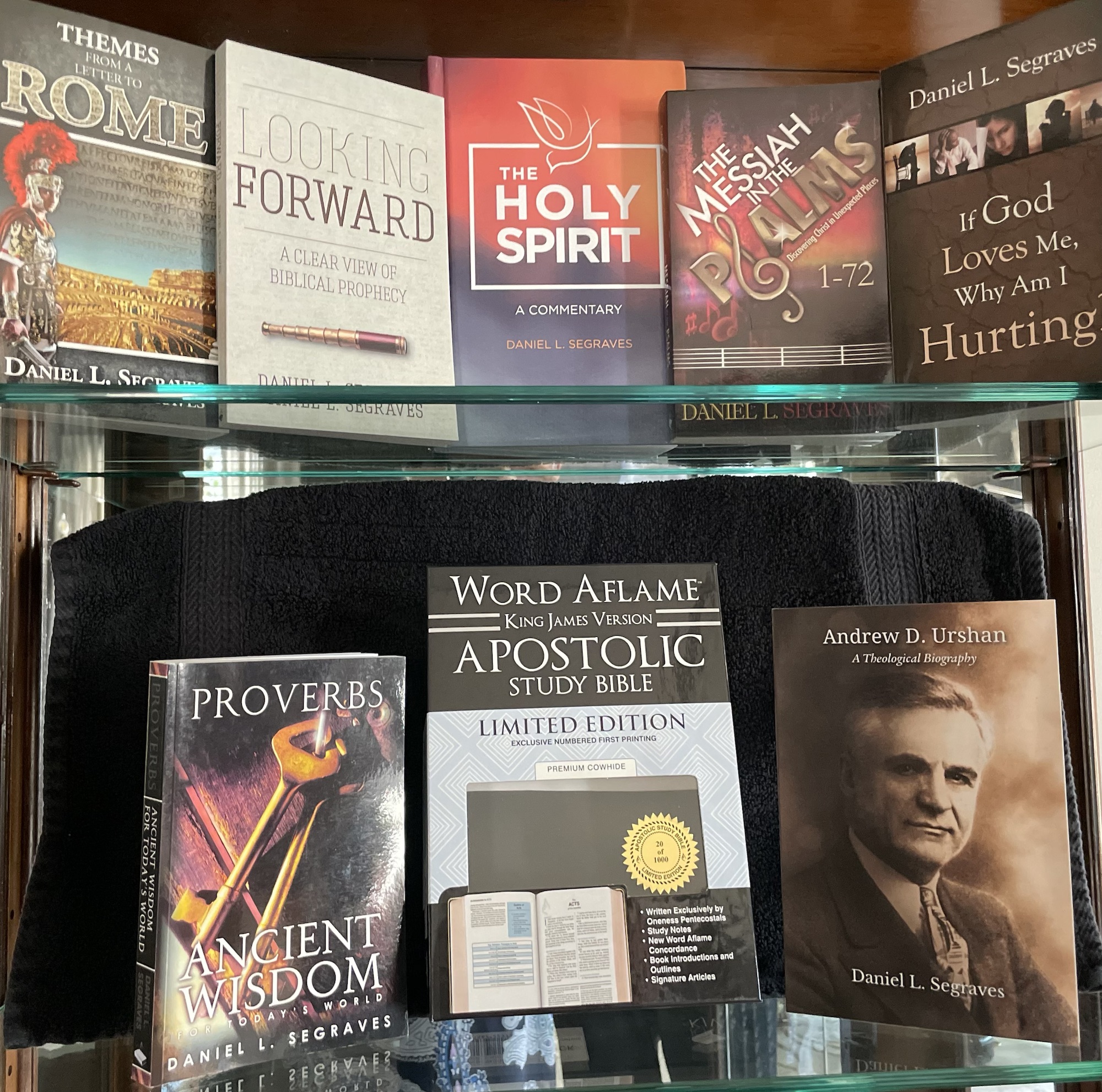
My book Looking Forward: A Clear View of Biblical Prophecy includes a discussion of this idea. Here is an excerpt:

Bride of Christ Will Participate with Christ at the White Throne Judgment

In a rebuke to the church at Corinth due to their tendency to seek secular solutions to problems that should be resolved within the church, Paul wrote,

Do you not know that the saints will judge the world? And if the world will be judged by you, are you unworthy to judge the smallest matters?” (I Corinthians 6:2, NKJV).

This reference to judging “the world” may be a reference to the church sharing in some way with Christ in the final work of judgment that begins with the Millennium. John wrote,

And I saw thrones, and they sat on them, and judgment was committed to them” (Revelation 20:4, NKJV). A profound indication that this is so is found in Jesus’ words to the church in Thyatira:

And he who overcomes, and keeps My works until the end, to him I will give power over the nations— ‘He shall rule them with a rod of iron; They shall be dashed to pieces like the potter’s vessels’— as I also have received from My Father” (Revelation 2:26-27, NKJV).

The saints’ share in this messianic promise first found in Psalm 2:9 shows the significance of their post-resurrection destiny. They have not become angels; instead, they will be involved in judging angels: “Know ye not that we shall judge angels?” (I Corinthians 6:3).


Daniel L. Segraves, Looking Forward: A Clear View of Biblical Prophecy (Weldon Spring, MO: Word Aflame Press, 2017) is available at pentecostalpublishing.com and amazon.com.

[archive]
Daily Wisdom 318: Proverbs 14:18

Proverbs 14:18 (NKJV) — 18 The simple inherit folly, but the prudent are crowned with knowledge.

Rewards. In keeping with the theme of generally predictable results that runs throughout the Book of Proverbs, this proverb reveals that those who are simple (spiritually uninformed) will tend to inherit folly as a child tends to inherit property or wealth from a parent. It is the natural result of one’s identity. Just as children inherit from their parents because of who they are, so simpletons inherit folly because of who they are. Folly indicates emptiness, meaninglessness, uselessness. No purpose or reason can be seen in folly. For simpletons, life seems to be a series of disconnected, negative events. In short, things will not go well for them.

Just as princes receive crowns from their fathers because of who they are, so those who are prudent will be crowned with knowledge. Those who chose prudence as a way of life identify themselves with royalty. They display kingly traits. Their crowns will not be merely temporal; they will be crowned with something far more valuable and lasting than gold or silver or precious stones. They will be crowned with knowledge.

It has been said, “Knowledge is power.” Those who have true knowledge have tapped into a divine resource, for only God truly knows all things. Humans will never all have knowledge, but to have some knowledge is a marvelous gift.

[archive]

Daily Wisdom 316: Proverbs 14:16

Proverbs 14:16 (NKJV) — 16 A wise man fears and departs from evil, but a fool rages and is self-confident.

Taking chances. Those who are wise have the good sense to know when to stop, when to draw back. They take no chance with evil; they turn from it. Fools, in their self-confidence, bluster and boast. They will probably pay the price for their confident raging in personal pain and injury.

[archive]

Daily Wisdom 315: Proverbs 14:15

Proverbs 14:15 (NKJV) — 15 The simple believes every word, but the prudent considers well his steps.

The gullible and the prudent.  Those who are simplistic believe everything they hear, see and read. Like children, they are tossed to and fro, carried about with every wind of teaching. (See Ephesians 4:14.) They cannot see the violation of biblical principles. They do not recognize the telltale signs of deceit. They are ready victims for those who would take advantage of them. But those who are prudent are cautious. They do not believe something just because someone says it; they search out the facts for themselves. They go to the source.

[archive]

Daily Wisdom 314: Proverbs 14:14

Proverbs 14:14 (NKJV) — 14 The backslider in heart will be filled with his own ways, but a good man will be satisfied from above.

The backslider and the good person. Both the backslider and the good person will reap what they sow. Backsliders may put on a good front; they may fool others into thinking everything is still right between them and God. But their problem is a heart problem. They turn from the true God and set themselves up as god. Instead of being filled with God’s ways, they are now filled with their own ways, and they are a poor substitute for God.

Good persons are content in the knowledge that they are doing right. They are not filled with the apprehension that consumes those who follow their own senses. They know God has given them the power to do right, and if they make the choice to act on that power, God will be pleased and good things will happen.

[archive]


Daily Wisdom 313: Proverbs 14:13

Proverbs 14:13 (NKJV) — 13 Even in laughter the heart may sorrow, and the end of mirth may be grief.

Laughter and sorrow: This verse seems to bear a relationship with the previous one. While a merry heart is beneficial, the laughter of the carnal person ultimately does not end in good. It does not lift the heart. When the laughter is over, the heart is still sorrowful and heaviness still weighs down the soul.

[archive]